History of the Historic Village of Old Bridge, East Brunswick
Early settlement along the South River
The Historic Village of Old Bridge is a community within East Brunswick Township in Middlesex County, New Jersey. Its history reaches back to settlement along the South River as early as 1685.
The river provided access to transportation and trade. The village took its name from an early bridge across the South River, which became known as the “Old Bridge” as additional crossings appeared. Although the village developed its own identity, it was never incorporated as a separate municipality.
River commerce and transportation
Old Bridge grew as a trading settlement near the head of navigation on the South River. Commercial boat service was advertised in 1734, and a steamboat route followed in 1823.
The National Register nomination describes a village of approximately 35 dwellings in 1844, with substantial quantities of locally cut pine and oak shipped to New York. Railroad connections added another means of moving people and goods, helping sustain the community’s commercial development.
Pottery, brick and tile manufacturing
Local clay and sand deposits supported pottery and ceramic production. The National Register documentation identifies the Bissett pottery site near River Road and describes archaeological evidence of its nineteenth-century operations.
The East Brunswick Museum preserves examples of this industrial heritage, including locally produced stoneware and tiles from the Old Bridge Enameled Brick and Tile Company. Its collections also include agricultural tools, reflecting the connections between farming, manufacturing and trade in the surrounding area.
Becoming part of East Brunswick
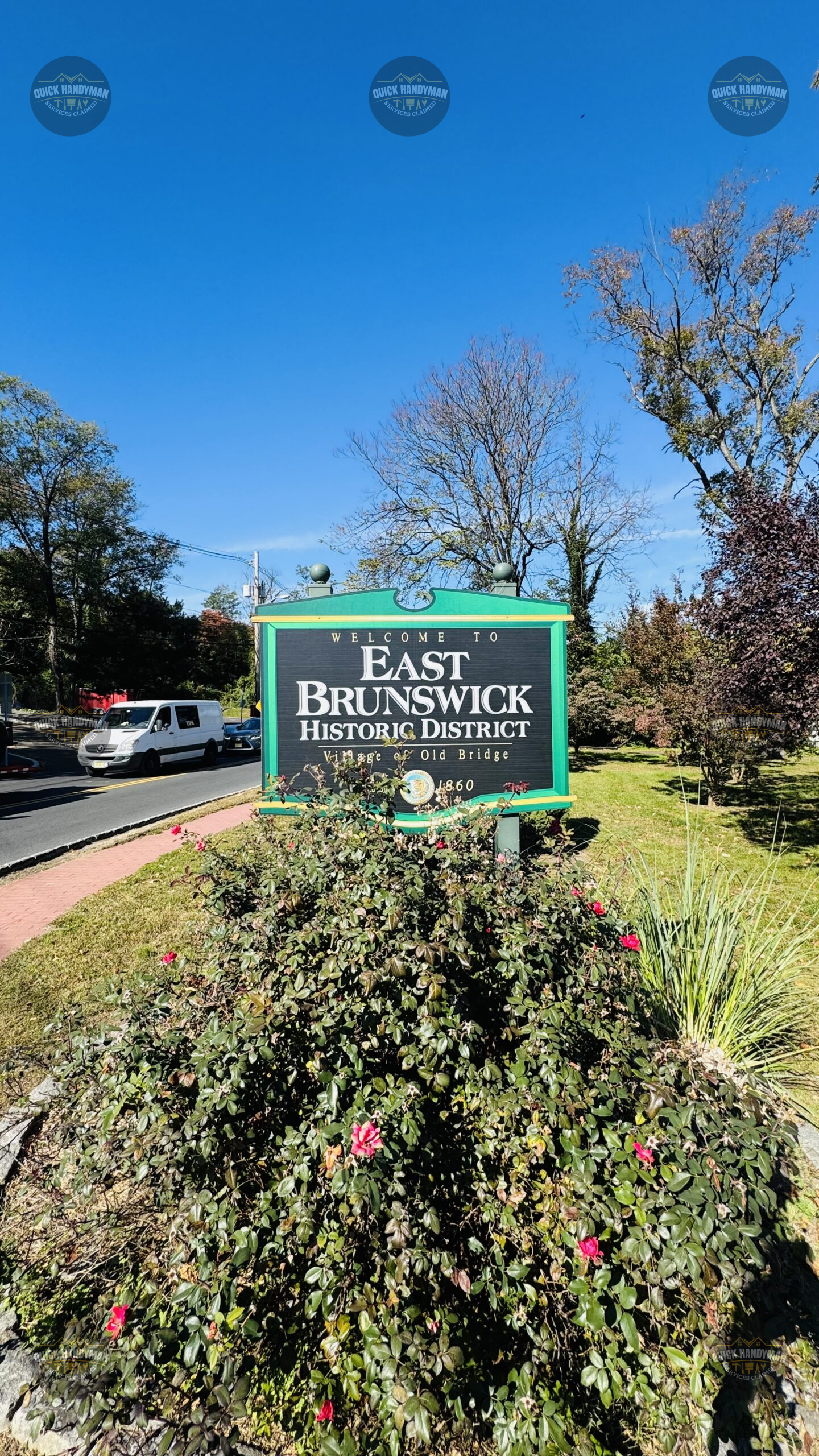
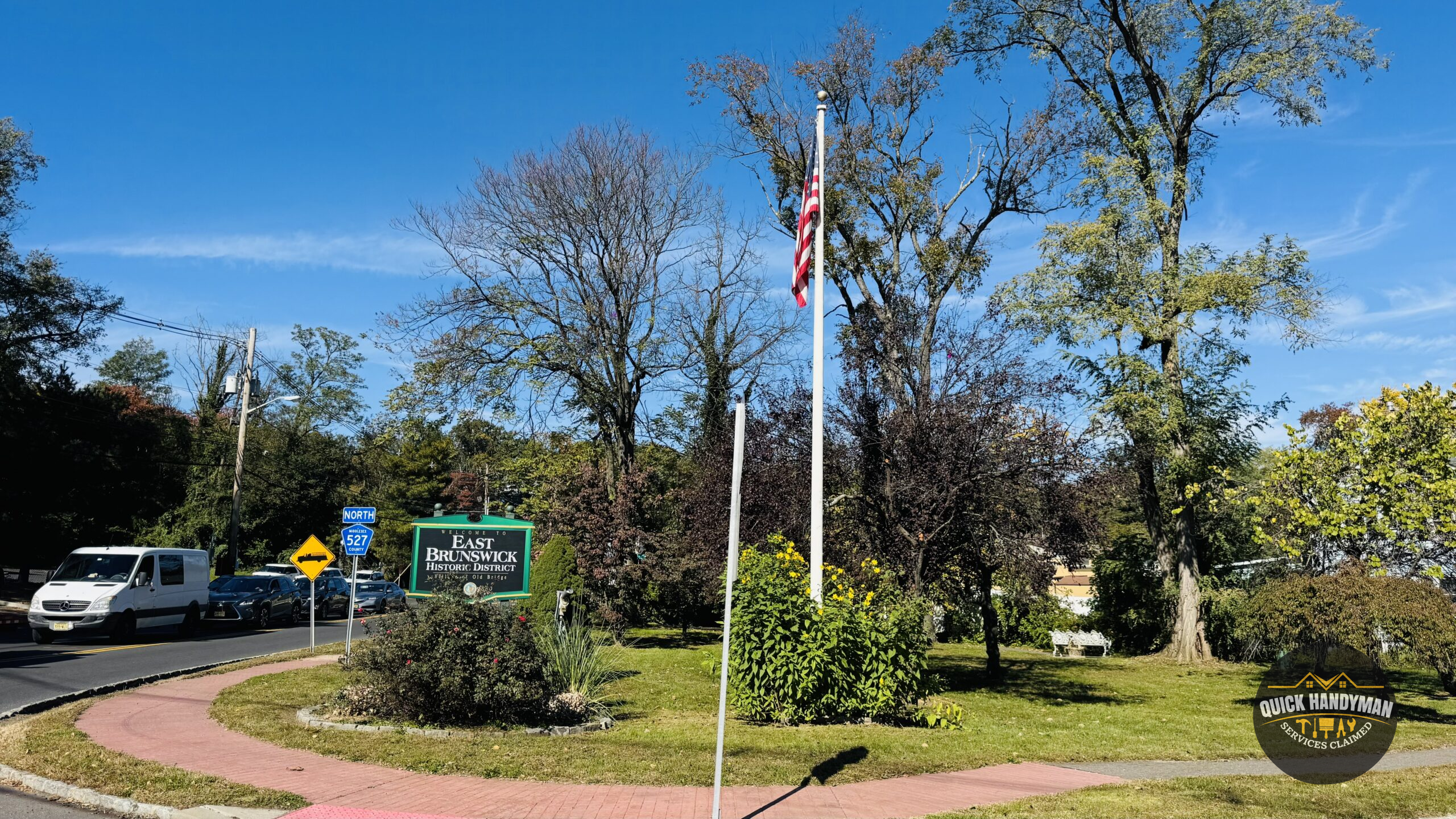
East Brunswick Township was incorporated in 1860 from portions of North Brunswick and Monroe townships. The existing village of Old Bridge became part of that municipality.
This distinction explains why 1860 appears in the community’s township identity without representing the beginning of settlement in the village. Its local history predates the creation of East Brunswick by more than a century.
Buildings and community life
The historic district preserves evidence of everyday village life through houses, churches, former schools and commercial buildings. Its National Register nomination documents buildings from several periods, including early nineteenth-century homes and later Victorian residences.
The architectural inventory records features such as timber framing, clapboard siding, historic windows, fireplaces and decorative woodwork. Together, these buildings illustrate the development of a working community rather than the history of a single landmark.
Art, the museum and preservation
Landscape artist James Crawford Thom lived in the village during the nineteenth century and included local scenes in his paintings. The East Brunswick Museum holds examples of his work, including “Winter in Old Bridge,” alongside photographs and objects documenting local life.
The museum occupies the former Simpson Methodist Church, which East Brunswick purchased for museum use in 1977. The district received state historic recognition in 1975 and National Register recognition in 1977.
Today, the village’s buildings, museum collections and historical records preserve the story of a river community shaped by transportation, craftsmanship, industry and generations of residents.